

On March 8 each year, a modest ritual unfolds in Hastings-Sunrise. Downtown Vancouver collects cameras and headlines. This east-side district builds something quieter, and honestly more durable: community ties that hold after the banners disappear.
The neighbourhood rarely appears in tourism campaigns. Working docks line the northern edge. Small grocers, Vietnamese bakeries, Filipino halls, and front-yard gardens shape the streets. Residents also maintain a strong tradition of mutual aid. That culture gives International Women’s Day unusual traction here.
Observers must ignore the abstract version of the day, the corporate hashtags and branded tote bags, and instead watch what residents actually do. Who organizes. Who attends. And why people keep returning each year.
A Neighbourhood With Something to Say
Residents in Hastings-Sunrise rarely wait for permission. Long before “community organizing” became a LinkedIn credential, local networks ran food banks, challenged zoning decisions, and built the social systems that municipal offices later relied on. Women drove much of that work. Few plaques mention them.
That history shapes how International Women’s Day appears here. Local residents organize most events, and they design them for neighbours rather than an abstract audience.
Expect fewer keynote speeches. Expect more circles of folding chairs. And usually a potluck table where someone’s grandmother insists everyone take another serving.
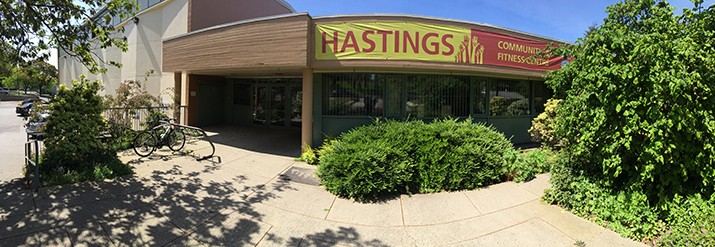
Groups such as the Hastings-Sunrise Community Centre, Kiwassa Neighbourhood House, and several immigrant organizations rotate responsibility for programming each year. Formats shift. One year brings a film screening with discussion. Another year produces a mural project across a school wall. Some years a march begins on East Hastings and winds through residential streets.
Who Shows Up, and Why
Hastings-Sunrise contains a dense mix of communities. Filipino, Vietnamese, and South Asian families form large segments of the population. Indigenous residents live alongside recent newcomers and long-settled households who remember the highway construction of the 1950s.
Diversity alone does not create solidarity. People build it through work. When International Women’s Day gatherings succeed here, discussions quickly expand beyond a single theme. Participants often raise several connected pressures:
- Immigrant women struggling through credential recognition and workplace rights
- Generational conflict over caregiving duties and financial independence
- Indigenous leadership and the long reach of colonial policy
- Women running family businesses under thin margins
- Housing costs that force repeated moves, a burden many women carry first
These topics rarely sit in isolation. The women who speak about them usually live several of them at once.
The Work Behind the Events
A visitor might glance at a community breakfast or panel and assume a relaxed production. Reality looks different. Volunteers handle most of the work, and many already juggle paid employment, caregiving duties, and other commitments.
Organizers submit grant applications to the City of Vancouver, federal Women and Gender Equality programs, or small foundations. They book facilitators who can operate in several languages. They arrange childcare because parents cannot attend otherwise. Then they conduct outreach across apartment buildings, cultural groups, and small businesses.
This neighbourhood model creates friction. It also produces results that glossy conferences rarely achieve.
What Gets Celebrated, and What Gets Challenged
International Women’s Day carries a complicated political lineage. Early labour organizers demanded voting rights, safer factories, and fair wages. The Soviet state later adopted the holiday. Western marketing eventually softened it into flowers and cheerful slogans.
Hastings-Sunrise events sometimes acknowledge that tension openly. Some organizers anchor the day in labour history and worker rights. Others highlight neighbourhood contributions without overt political framing. A few groups attempt both.
Across most east-side gatherings, several themes recur:
- Economic justice for women working unstable jobs
- Recognition of unpaid labour such as caregiving and neighbourhood organizing
- Protection from gender-based violence in homes and public areas
- Support for women-led small businesses and cooperatives
- Platforms for voices that rarely appear on formal panels
Corporate towers downtown rarely foreground these topics. That gap explains why neighbourhood organizing still matters. Residents often notice a stark contrast between how International Women’s Day unfolds in neighbourhoods like Hastings-Sunrise and how large institutions stage it in highly visible venues.
The local version rarely looks polished. Borrowed hall space replaces conference centres. Volunteers handle logistics after long workdays. Someone always asks if more coffee exists in the kitchen. But that rough structure produces something the larger events frequently miss. These gatherings connect people who share concrete stakes in economic fairness and community stability.
Participants leave with contacts, stories, and a sense that others carry similar burdens. Organizers here do not wait for validation from major institutions before they assign value to their work. They already understand its importance. And they continue anyway.
Looking Forward
Local organizers rarely ask how to expand the size of their International Women’s Day event. They ask a different question. What survives after March 8?
A single breakfast can trigger a chain reaction. A tenant meets a housing advocate and finally receives guidance. A teenager watches a council candidate who resembles her. A newcomer learns about a training program she never encountered before.
Grant reports struggle to capture those outcomes. Long-time organizers shrug at that problem. They care about the results anyway. International Women’s Day works best as a forcing moment. It exposes the labour that usually stays invisible and gives the people doing it a room where others recognize the effort. Hastings-Sunrise residents have built that room for years.
Conclusion
Between global campaigns and neighbourhood potlucks, International Women’s Day finds its most credible expression. Hastings-Sunrise will not produce a celebrity host or a livestream that reaches millions. The event will likely occur in a warm hall with folding chairs and a homemade noodle dish near the back.
But women who carry heavy loads still arrive. They exchange stories. They exchange contacts. They show up again next year. That metric matters more than banner size or media attention. A community proves its commitment when the women who need support actually walk through the door, and when the people inside offer something real. Hastings-Sunrise keeps doing that work. Quietly. Year after year.
